
New iPhone application enables individuals to quickly digitize and archive photographs. It’s time to find the shoebox of photos in your closet. A new iPhone application from a San Francisco-based start-up takes photo scanning mobile. 1000memories released Shoebox on October 27 with the promise of helping users tackle the often-massive task of scanning family photographs. […]
Archive | Archival
Now Our Memories Can Live Forever
Jonathan Good over at 1000Memories shared his TEDx San Francisco talk with me today. He did a great job presenting the vision of a future where people are remembered for more than their name, but for their story and experiences. This is actually one of the primary reasons that I’m concerned with the preservation of […]
QR Codes, Microchips In Cemeteries
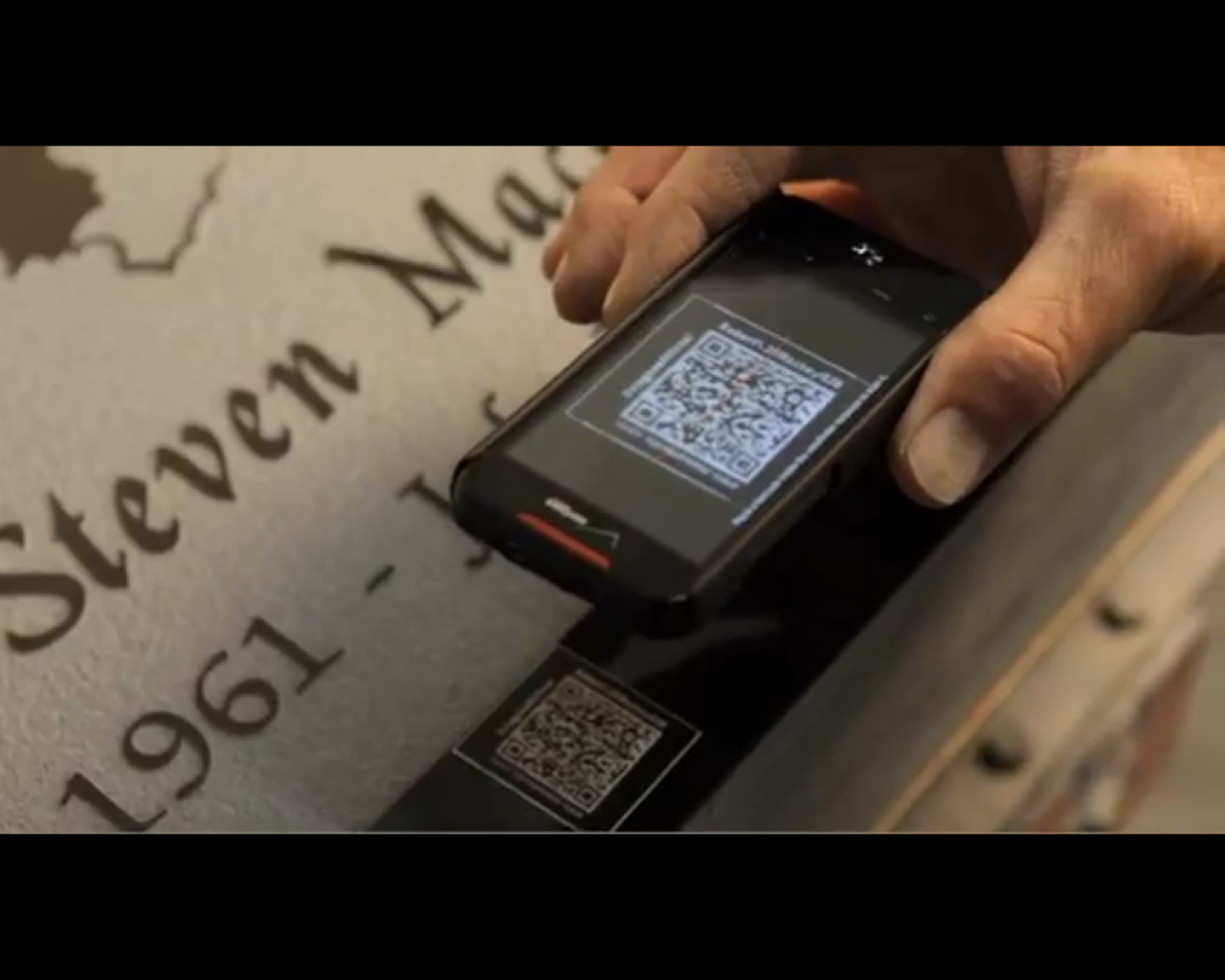
Would you want a QR code on your headstone? That was a question posed via an email from Adele McAlear. Quiring Monuments is now offering just that with its “Living Headstone” line of memorial products. Cemetery visitors with smartphones can read the QR code and visit a memorial website to learn more about the deceased. […]

Digital Immortals: Preserving Life Beyond Death – SXSW 2012
Digital Immortals: Preserving Life Beyond Death is the panel I’ve proposed for SXSW 2012. In short we’ll talk about how we can archive our digital content so that it can be preserved and experienced in the future. I’ve asked a great set of panelists to join me: John Romano, The Digital Beyond Bill LeFurgy, Library […]
Robot panelists, AI, and the Future of Identity – SXSW 2012
In the future, we aren’t going to fight the robots, we’re going to become the robots. In fact, it may be even sooner — like, now. We’ll have two AI-powered panelists taking questions from the audience. Oh, we’ll have some great biological panelists, too. They’ll discuss artificial intelligence, digital avatars, and the future of identity. […]
Digital legacy presented at TED Global 2011
Adam Ostrow, the editor-in-chief of Mashable, presented After your final status update last month at TED Global 2011. We’re pleased that the topic of digital legacy is getting attention on a respected, global stage. Adam mentions several services listed on our site, including 1000Memories and If I Die. Adam’s vision for the potential future of […]

Historypin: A Digital Legacy for the World
You can’t spend much time thinking about your digital afterlife without considering personal archiving and how you’ll preserve your family mementos for future generations. In fact lot’s of people are working to help individuals do just that, including the Library of Congress and online services like 1000 Memories and Chronicle of Life. Today I stumbled […]
Archiving Facebook, Twitter and Other Social Media Sites
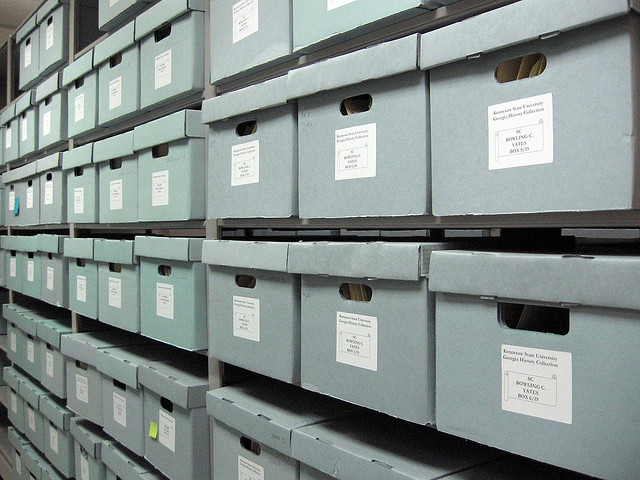
In our advice about planning your digital legacy, we talk at length about usernames, passwords and wishes. Leaving behind detailed instructions for accessing your online accounts can save your heirs a good deal of frustration. But this approach assumes that the service is still available when your heirs go looking. Moreover, it assumes that you’re […]
You’re Dead. Your Data Isn’t. What Happens Now?
Greetings from Austin, TX and the Samsung SXSW Blogger Lounge. Our team from The Digital Beyond along with Dazza Greenwood (CIVICS.com), Adele McAlear (DeathAndDigitalLegacy.com) and Jesse Davis (Entrustet.com) presented a successful panel yesterday morning, You’re Dead. Your Data Isn’t. What Happens Now? There were several recordings made of the presentation, but most of them aren’t […]
Why startups and researchers should talk
I’m fresh back from San Francisco and the Internet Archive where I spent two days with many of the leaders in digital archives and preservation. Lots of great presentations and hallway conversations. I also presented my own take on design principles that should be considered when building archives to be used as memorials to the […]