Posted on 20 July 2009 by John Romano
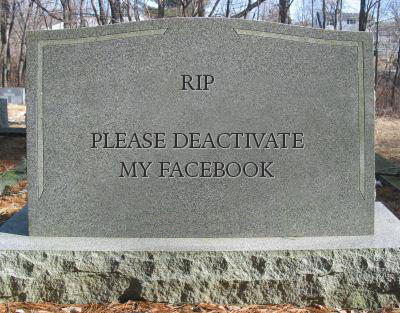
… along with the promise of a digital after life.
The concept of “digital death” and “digital afterlife” are just beginning to enter into the public consciousness. We see a constant stream of writers, academics, and entrepreneurs that are realizing the coming importance of digital death and afterlife.
What we know
Interacting and expressing yourself online produces copius amounts of personal data that create a digital identity.
And even though physical death is inevitable, the death of your digital identity is not. This identity will survive as long as it’s data lives on. But this raises lots of questions.
digitaldeath.eu
Some thoughtful people at http://www.digitaldeath.eu have joined us in our exploration of this new frontier. Head on over to their site. Their scholarly approach reads quickly and they have some videos that address the digital beyond.
Posted on 16 July 2009 by Evan Carroll
John and I make no bones about how we came to start a blog about the digital afterlife. We pitched the idea for a panel talking about this for the 2009 SXSW Interactive Festival. After its selection as a core conversation, we devoted ourselves to study the topic in preparation for the event. The response at SXSW 09 was overwhelmingly positive, with a heated, hour-long discussion amongst attendees. Shortly thereafter (likely by coincidence and not causality) a deluge of services came about promising to help individuals deal with digital death and afterlife. In response, we created this blog and started preparations for SXSW 2010. Now that the panel submissions are closed, I’ll share with you our proposal.
Become Immortal, Understanding the Digital Afterlife
When you leave the mortal world, your identity will ascend into the cloud. But the complications of digital preservation pose serious questions. Our panel of legal, technical and cultural experts will discuss the control, format and sustainability of the digital beyond.
Here are the questions we plan to address:
- Does the past have value? Should we make an effort to preserve it?
- Is it too old school to die and be dead?
- With the onset of widespread preservation, will the past lose its significance? Quantity or quality?
- Is the current deluge of digital afterlife services sustainable? Will they really outlive me?
- Public or private? What would an open-source model for digital preservation look like?
- How can current advancements in data portability across social networking services support this goal?
- What new legal structures and precedents does this require?
- Are digital personas an accurate reflection of an individual?
- Will my legacy be more significant if I leave my content distributed across multiple sites like Flickr, Facebook and Twitter?
- How will the wealth of preserved information change the way that future generations look back at us?
We’ll be asking for your vote in August, when the panel picker goes live. Hopefully your support (a.k.a. vote) will help us give this topic a proper panel discussion with other digital afterlife experts.
Update: Here’s the link to the PanelPicker: http://panelpicker.sxsw.com/ideas/view/3854
Posted on 16 July 2009 by Evan Carroll
With all of the conversation surrounding the digital afterlife, one thing is certain: you can’t deal with it by yourself. You need a person or a service to help you. Services are popping up left and right, just check our (hopefully) comprehensive list. Still, for some things, you really need someone to help you out. We (among others) have been calling this person a digital executor: a person whom you designate to execute your digital estate.
So, what makes a good digital executor? As I see it, there are three critical components: trust, distance and capability. I’ll address them in that order.
Trust
Seems pretty simple, right? In fact, it is. You need to select someone who will respect your wishes and faithfully carry out your digital will. I don’t think there’s any more to say here.
Distance
Your executor needs to be close enough to you that you can trust them (see above), but needs to be somewhat distanced from you for a couple of reasons. If you choose someone like your spouse or significant other there’s a greater chance that they will pass at the same time you do. Then, of course, your digital will would not be carried out, unless you had others in place as well. It’s also important to have a person that will carry out your will without hesitation. Those close to you may have trouble with deleting files or profiles (should that be your wish) in the name of preserving your memory.
Capability
Finally, you should find someone who is up to the task and there are a few dimensions of this. First, they should have access to your information. However you choose to store you authentication information and wishes, they should be capable of accessing it. Second, they should have the appropriate technical savvy. Want your Facebook account deleted? You might want to choose someone who has a Facebook account. Enough said. Finally, they need to outlive you. This goes back to distance, but you should think about age too. When you’re young, someone from your own generation is likely suitable, but as you get older someone from the next generation may be more appropriate.
I’m sure there’s other considerations given your unique situation, but it’s my hope that this list will give you some helpful tips to get started.
Posted on 01 July 2009 by John Romano
The issue of digital death is getting common enough that we can now FAIL to answer the question.
http://failblog.org/2009/06/10/yahoo-answers-fail/